Wild weather is real risk for South Africans
· Citizen
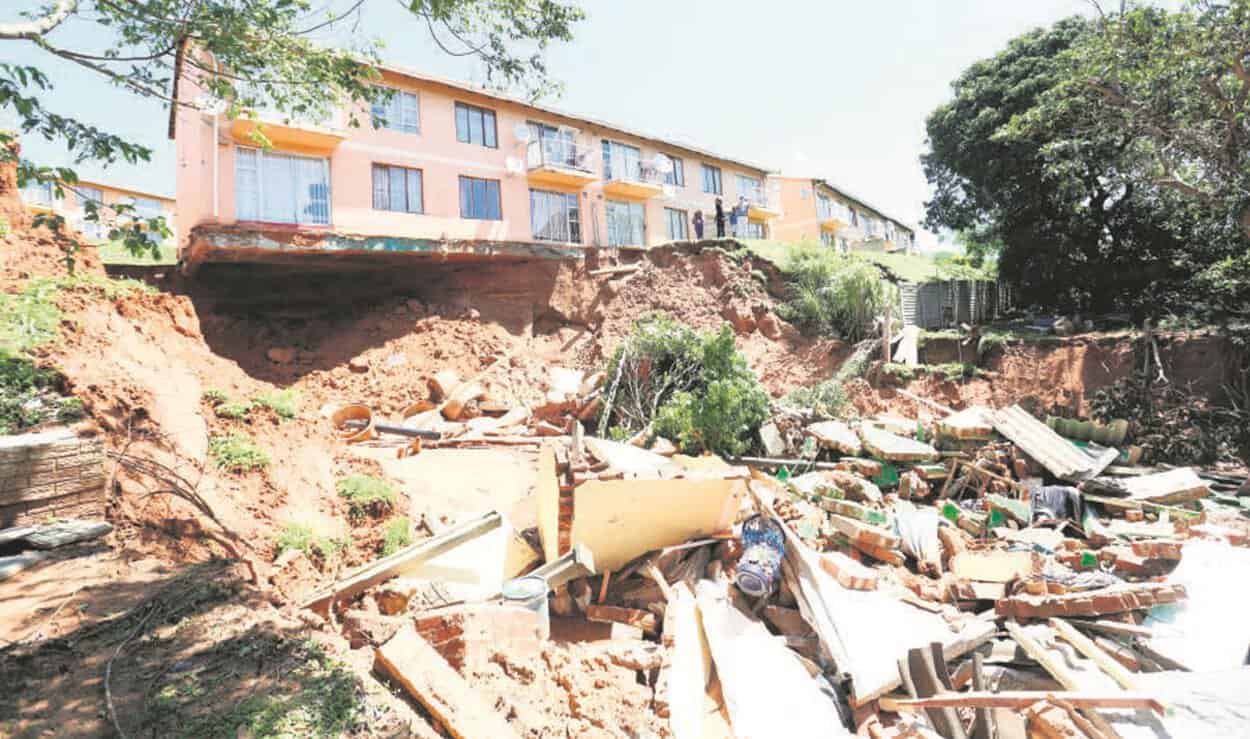
Severe weather is not just a distant threat anymore; it is happening more often.
Communities across South Africa are facing more frequent and intense weather, including flash floods, strong winds and large hailstorms that often come with little warning.
Visit freshyourfeel.org for more information.
These events are not just disruptive, but are becoming more dangerous.
Insurance plays a critical role in financial recovery, but its effectiveness is often shaped by the actions you take before and during an event.
Severe weather events are becoming more unpredictable and more intense, which means preparation is no longer optional; it is essential.
That is why it is important to understand the SA Weather Service’s impact-based warning system.
Unlike regular forecasts, this system tells you not only what the weather will be, but also how it could affect people, property and infrastructure – and what actions you should take.
Understanding the warning levels and how to respond
Yellow Level 1-2: be aware and stay informed
Monitor weather updates and be cautious, especially if you are travelling or outdoors.
Orange Level 3-5: take action
There is a significant risk of impact. Avoid unnecessary travel, secure loose items, and prepare for possible disruptions.
Red Level 6- 10: act instantly
This indicates a high impact, potentially dangerous event. Seek shelter, avoid all unnecessary movement, and follow emergency guidance.
Too often people underestimate warnings because they do not fully understand what they mean. But these alerts are there to guide behaviour in real time.
Knowing how to respond can significantly reduce risk. If a level nine or 10 warning is issued, or if authorities signal an evacuation, having a predetermined strategy reduces the potential for panic that leads to poor decision-making.
Identify your safe zone: Don’t wait for the storm to choose your destination.
Identify a friend or relative’s home in a higher-lying area, or locate the nearest community hall or designated municipal shelter. Ensure every member of the household knows the primary and secondary routes to this location.
The go-bag essentials: In a changing risk landscape, speed is your greatest asset. Keep a bag packed with:
- Original or certified copies of identity documents and insurance policies. Where possible, ensure digital copies are easily accessible in case physical documents are lost or damaged;
- Chronic medication and a basic first-aid kit;
- Portable power banks and a battery-powered radio. Ensure your cellphone has airtime and data so you can stay connected and access emergency or insurance support if needed;
- Water and non-perishable snacks for 48 hours. If you are advised to evacuate, your actions in the final 10 minutes can significantly influence the speed of your financial recovery later.
- Secure the perimeter: Switch off the main electricity supply and close the main water valve. This reduces the risk of fire from power surges or secondary water damage from burst pipes;
- Elevate what you can: If time permits, move smaller high-value electronics or sentimental items to higher shelves or a second storey;
- Communication is key: Send a quick message to a family member outside the affected area or your insurance broker to confirm you are evacuating and where you are headed; and
- Document your space: If safe to do so, take quick photos or videos of your home and key belongings before leaving, as this can help streamline any potential claims process.
Preparation is not only about safety in the moment, but also about reducing disruption afterwards.
Simple steps such as stocking up on essential supplies, preparing backup power, checking on secondary properties and making provision for vulnerable family members can make a meaningful difference when severe weather hits.
The shift in weather patterns is a reminder being protected is not just about having a policy but about maintaining stability when the unexpected happens.
By understanding this and acting proactively, you help ensure that once the weather clears, the path to restoring your lifestyle is as short as possible.