Tequila from the Karoo? For real.
· Citizen
When you think of the Karoo, that semi-arid stretch between the Free State and Cape Town, sheep come to mind, some sand, and starry nights where you can really see the heavens and its satellites.
You may even think of PA leader Gayton McKenzie’s Beaufort West. But sure, as hell you would not think about tequila. Yet, soon, you would, or should, be.
Visit somethingsdifferent.biz for more information.
Because somewhere between the scrub, the silence and the hard beauty of that landscape that sometimes feels like it never ends, something slightly unhinged happened.
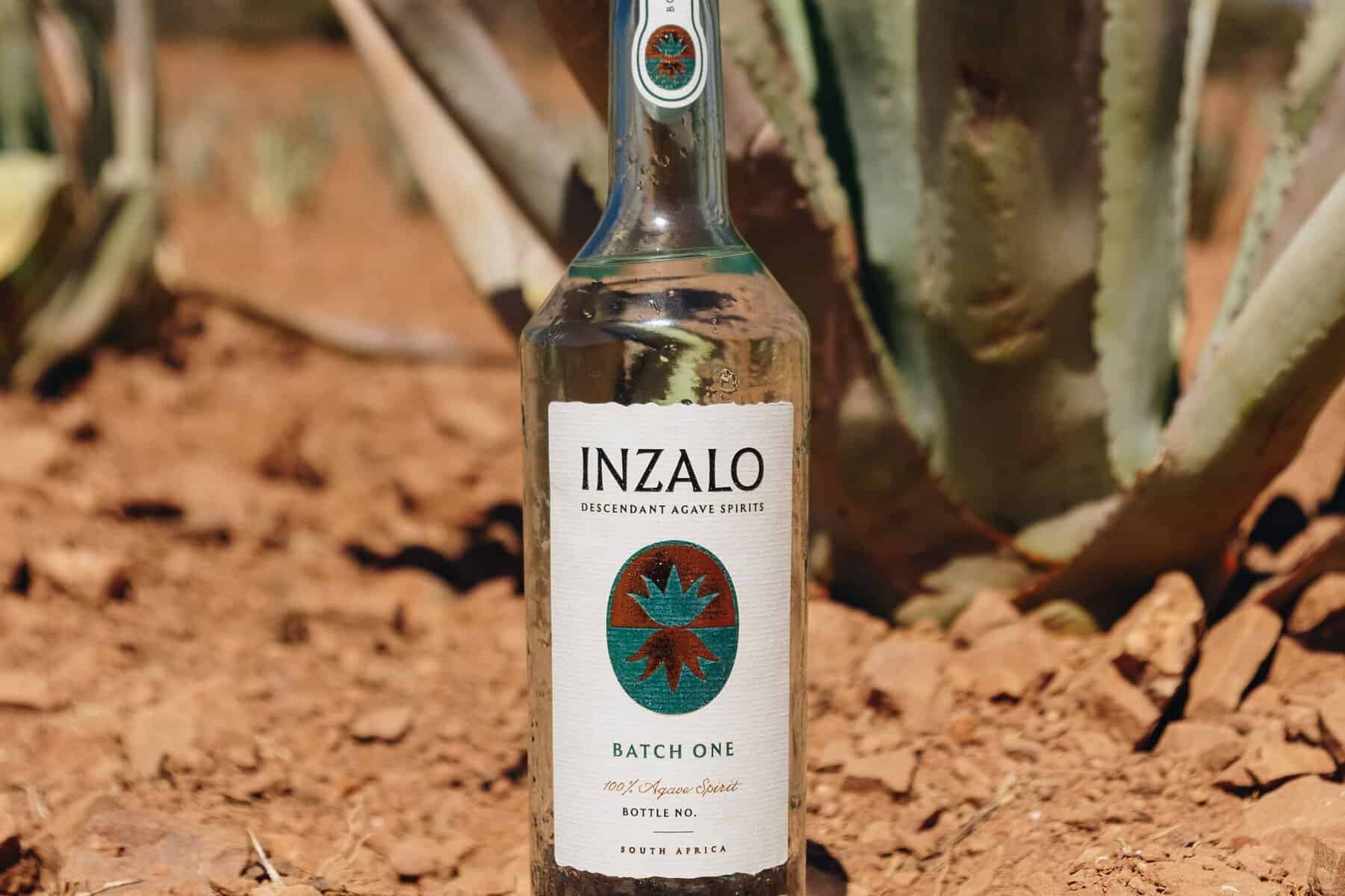
Tequila or, taking origin laws into consideration, Agave Spirit, was breathed into life in the fresh, dry air by friends and partners Sebastian O’Keefe and Diego Avilas. It’s called Inzalo.
Now, South Africa ain’t Mexico, and the pair didn’t exactly have a plan. O’Keefe came back to Mzansi after spending a quarter of a century with suits.
“I moved back here without a plan, determined only to do something I truly enjoyed and could shape on my own,” he said. What followed was not a straight line, but a growing curiosity that eventually led him to a plant most people here didn’t notice.
Agave in South Africa. Tequila’s source plant. Picture SuppliedWho’d have thought that Agave grows in Mzansi
The Agave plant, it turned out, has been growing across South Africa for centuries. “At first, we saw what everyone else did,” O’Keefe said. “But after spending close to a year driving across the country, taking measurements and mapping locations, we realised what looked like one agave was actually more than 20 different species.”
It was a eureka moment that completely changed the rudder’s direction. What had been dismissed as roadside clutter or farm boundary filler began to look like something with real potential. Tequila potential. Yum.
The search became obsessive, he said. O’Keefe shared that they drove through the Western, Eastern and Northern Cape, then Gauteng, Limpopo and KwaZulu-Natal, chasing plants that could hold flavour and structure. It was not always encouraging.
“We thought, ‘This might not work,’ many times,” he said, and added how some of the same species used in tequila and mezcal were growing locally but failing to mature in a way that could support quality production.
Partners O’Keefe and Avilas (right) of Inzalo. Picture: SuppliedThen came a moment that now kind of feels like the hero’s pause in a Die Hard movie.
“It was Valentine’s Day,” he said. A conversation at a small guesthouse near Ladismith led them to a remote valley the next morning.
“There they were, red agaves growing in abundance, with these distinct red tips unlike anything we’d seen.”
Science would later explain the colouring as a response to harsh sun and mineral-rich soil, but standing there beneath the Swartberg Mountains, he said, “we already knew the search was over.”
A casual chinwag did the trick
So, they found the plant. Now to figure out how to make the stuff. The pair headed to Mexico.
“We hoped we would get a recipe,” O’Keefe said. “But the reality is those processes have been passed down over generations. We were using a different plant, from a different soil, with different conditions. We had to build our own way.”
That meant working with what was available, converting dairy tanks into steam ovens, using wine presses for extraction and allowing wild yeast to drive fermentation.
“We wanted to create something entirely new, a spirit that represents the best possible expression of soil and agave from South Africa.”
The outcome, O’Keefe said, tastes like South Africa.
“What you’re tasting is the mineral character from ancient seabed soils, the sweetness and spice from agaves stressed by extreme conditions,” he said. “Harsh environments concentrate flavour. These plants are working hard just to survive, and that comes through in every sip.”
Like an Iggy Pop tune… Punkrocker
His partner, Diego Avilas, described the process with a different kind of energy.
“If this journey had a soundtrack, it would be Punkrocker,” he said. “It’s rebellious, bold, unapologetic, much like what we were doing in the Klein Karoo.”
For him, the project carried the edge of experimentation and risk.
“It captures the thrill of doing something a little mad, but completely authentic. It’s Inzalo in musical form, part science, part tradition, shaped by both Mexican and South African influence.”
Inzalo will star at the Hangout Fest 3 on 25 April at The German Club in Edenvale alongside some of the country’s finest on-stage talent, including Majozi, Black Cat Bones, The Dirty Skirts and Prime Circle, amongst others.