CHAUDHRI: What a four-minute video cost Air Canada's CEO
· Toronto Sun
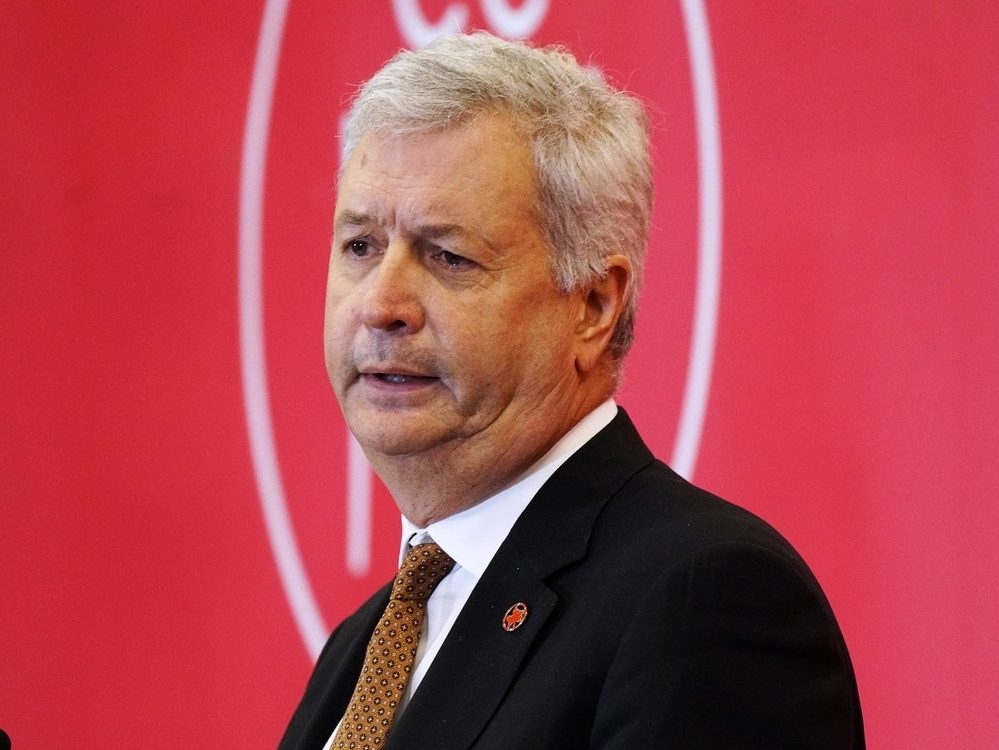
It took four minutes and two words of French to end a 19-year career at Air Canada.
On March 23, two Air Canada pilots were tragically killed when their flight collided with a fire truck on the runway at New York’s LaGuardia Airport.
Visit biznow.biz for more information.
One week later, Air Canada CEO Michael Rousseau announced he would retire by September – not because of the crash itself, but because of a condolence video that contained exactly two words in French.
The video, which included only “bonjour” and one other French word, drew immediate backlash from Quebec politicians, francophone communities and federal officials.
Prime Minister Mark Carney said the message showed a lack of compassion and judgment. Quebec Premier François Legault called for Rousseau’s resignation. The Quebec National Assembly voted 92 to nothing in favour of a motion demanding he step down.
Days before the announcement, Air Canada told the media that Rousseau had no plans to go anywhere. Shortly after, he announced his retirement.
This was not Rousseau’s first language controversy. In 2021, Rousseau told reporters after a near-entirely English speech to the Montreal chamber of commerce that he did not need to learn French to get by in Montreal. He apologized the next day.
The airline says he has since completed 350 hours of language courses and another 250 hours of practice. Evidently, it was not enough.
For executives in public-facing roles, the camera does not care that you are managing a crisis, answering to a board, or exhausted from a news cycle. When you speak publicly, you are speaking as the face and the soul of the company.
Rousseau’s failure was not just a PR problem
Air Canada is subject to the Official Languages Act, which requires bilingual service on qualifying routes. Rousseau’s failure was not just a PR problem. It touched on legal compliance, cultural accountability and crisis leadership all at once.
The retirement framing of Rosseau’s departure was a strategic move by Air Canada. When a departure follows days of public pressure, a parliamentary summons and a legislative motion demanding resignation, calling it a retirement is a legal and reputational choice.
The distinction between a resignation, a termination, and a negotiated exit matters. It affects severance entitlements, potential payouts, and how the departure is characterized on his employment record going forward.
For Rousseau personally, this situation and the fall out could follow him. But should it?
By all accounts he was an effective, well-liked leader. His shortcomings as a bilingual speaker were known to Air Canada throughout his term, but the organization still believed he was the right person for the role.
While Rousseau’s next opportunity in a leadership role will likely require him to address this controversy directly, the bigger question to me is how organizations must communicate non-negotiables with their leaders.
Employers should be asking now, before a crisis hits, what conduct expectations apply to their executives, beyond what is written in their employment agreement.
Most executive contracts cover the basics – termination for cause, confidentiality, post-employment restrictions. Far fewer address public communication standards, reputational obligations, or conduct tied to the company’s regulatory environment. That gap is exactly where situations like this one take root.
The fix is not complicated
The fix is not complicated. If cultural accountability or public representation are material to the role, they should be reflected in the contract. If an executive’s conduct could expose the organization to regulatory scrutiny or reputational harm, the agreement should say so clearly.
The lesson here is clear: for public-facing roles, reputational obligations and communication standards are not optional. They belong in the employment agreement.
Rousseau’s case is unusual, but it is not something we haven’t seen before. In an era of cancel culture, where public missteps travel fast and consequences follow faster, the organizations that plan for this are the ones that handle it best.
A CEO’s value is largely reputational. Once that reputation becomes the story, the role rarely survives it.
– This column was co-written by employment lawyer Sunira Chaudhri and her associate Samantha Khaouli
Have a workplace problem? Maybe I can help! Email me at [email protected] and your question may be featured in a future column.
The content of this article is general information only and is not legal advice.